21 Small Bedroom Organization Ideas for Apartments
A small apartment bedroom can collect the things that have nowhere else to go: half-worn clothes, spare bedding, charging cables, and bags waiting to be unpacked. Even when the closet is tidy, those items can take over the chair, dresser, and floor.
The most useful small bedroom organization ideas make getting dressed and going to bed easier. Start with the spots you use every day, keep supplies close to their purpose, and protect enough space to open drawers and walk around the bed.
You do not need a larger wardrobe or a matching set of organizers. Choose one recurring problem, try a simple arrangement with what you own, and see whether it still works after a normal week.
Quick Bedroom Wins
- Clear the route from the door to the bed.
- Keep only bedtime essentials on the nightstand.
- Separate laundry from clothes you plan to wear again.
- Give one dresser drawer a clear purpose.
- Return tomorrow’s outfit and charging cables to their places.
1. Start With the Three Places That Collect Clutter
Look at the nightstand, dresser top, and chair or floor beside the bed. Write down what keeps landing there.
Sort one surface at a time, then assign homes to its repeat visitors. Avoid emptying the entire room onto the bed if you cannot finish before bedtime. The useful result is a clear surface with a return routine, rather than a larger pile elsewhere.
2. Keep the Nightstand for Bedtime Essentials
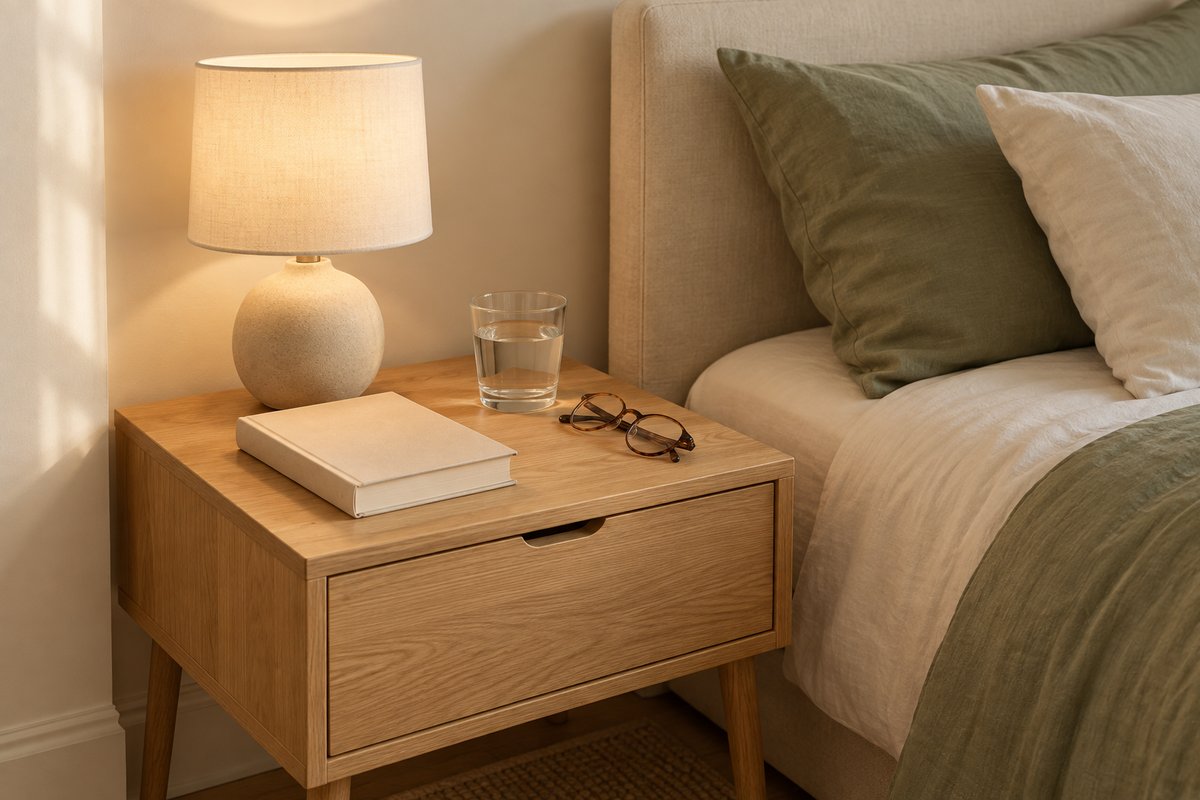
Choose the few items you actually use from bed: a lamp, glasses, water, and perhaps your current book. Leave enough space to set down a glass without shifting everything else.
Use a shallow dish for tiny items only if it helps you return them. Check the setup while lying down; essentials should be reachable without leaning around a tall stack. For two people, give each bedside its own small landing area instead of sharing one crowded surface.
3. Divide the Bedside Drawer by What You Reach For
An open nightstand drawer often becomes a mixture of receipts, batteries, hair ties, and forgotten chargers. Empty it and put back only items that support bedtime or the morning routine. Move general household supplies out of this prime spot.
Use two small boxes you already own to separate loose items from longer objects. Test it for several evenings before buying dividers; a tightly fitted organizer is unnecessary if a simple box does the job.
4. Make One Bedside Charging Spot
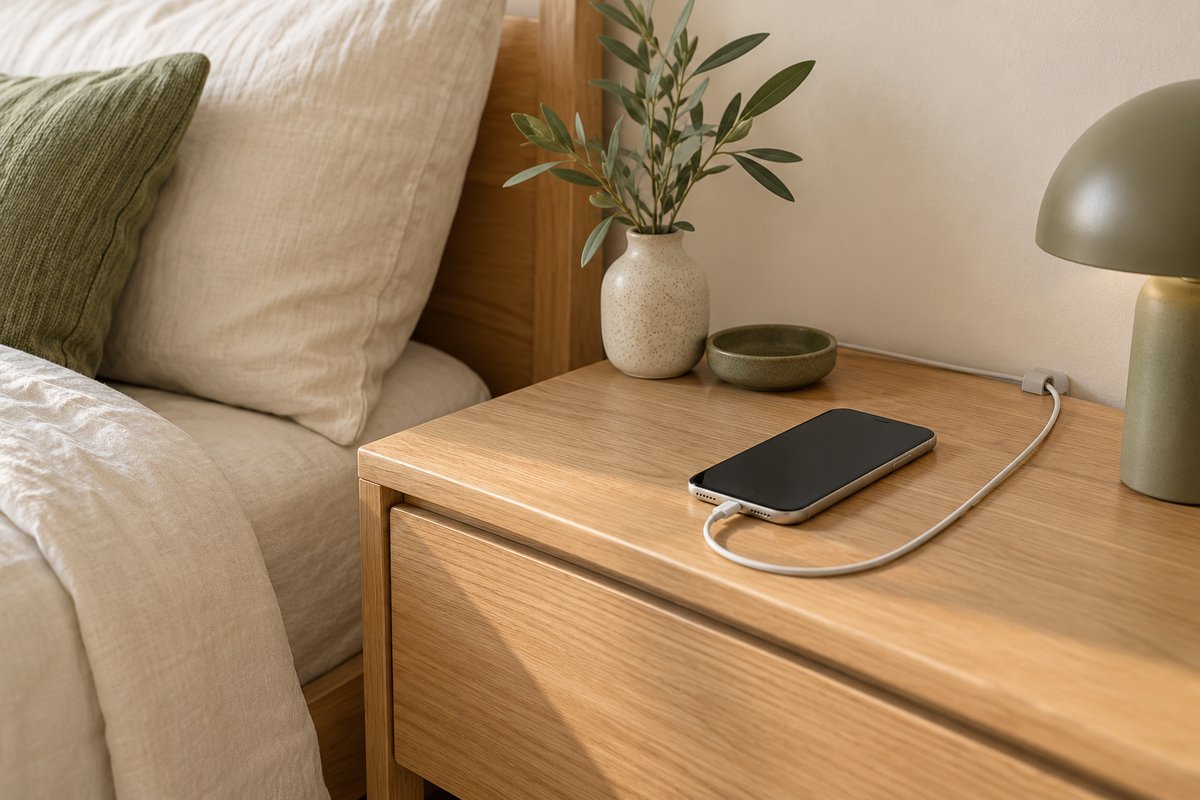
Keep the charger you use overnight beside the bed and route its cable along the back of the nightstand.
Use a removable cable clip compatible with the surface, following its instructions and your rental rules. Charge devices on a clear, hard surface according to their manufacturer’s guidance. Store spare leads separately so the working cable is easy to find and does not become tangled with a drawerful of backups.
5. Assign Dresser Drawers Before Adding Dividers
Decide what each drawer should hold based on your week: underwear, everyday tops, exercise clothes, or sleepwear. Put the categories you reach for most in the easiest drawers.
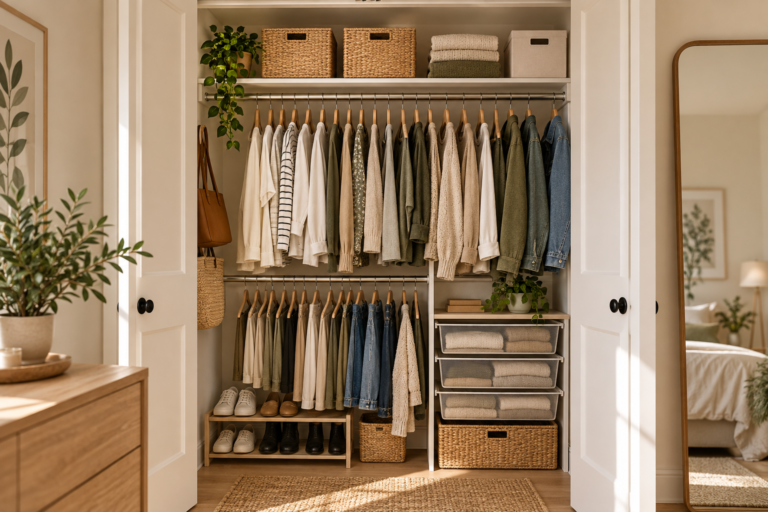
If one category overflows while another drawer is almost empty, change the allocation before buying organizers. Keep clothes that need hanging in the closet; our guide to organizing a small closet covers hanging space and shoes in more detail. The dresser should have its own manageable job.
6. File-Fold the Clothes You Need to See
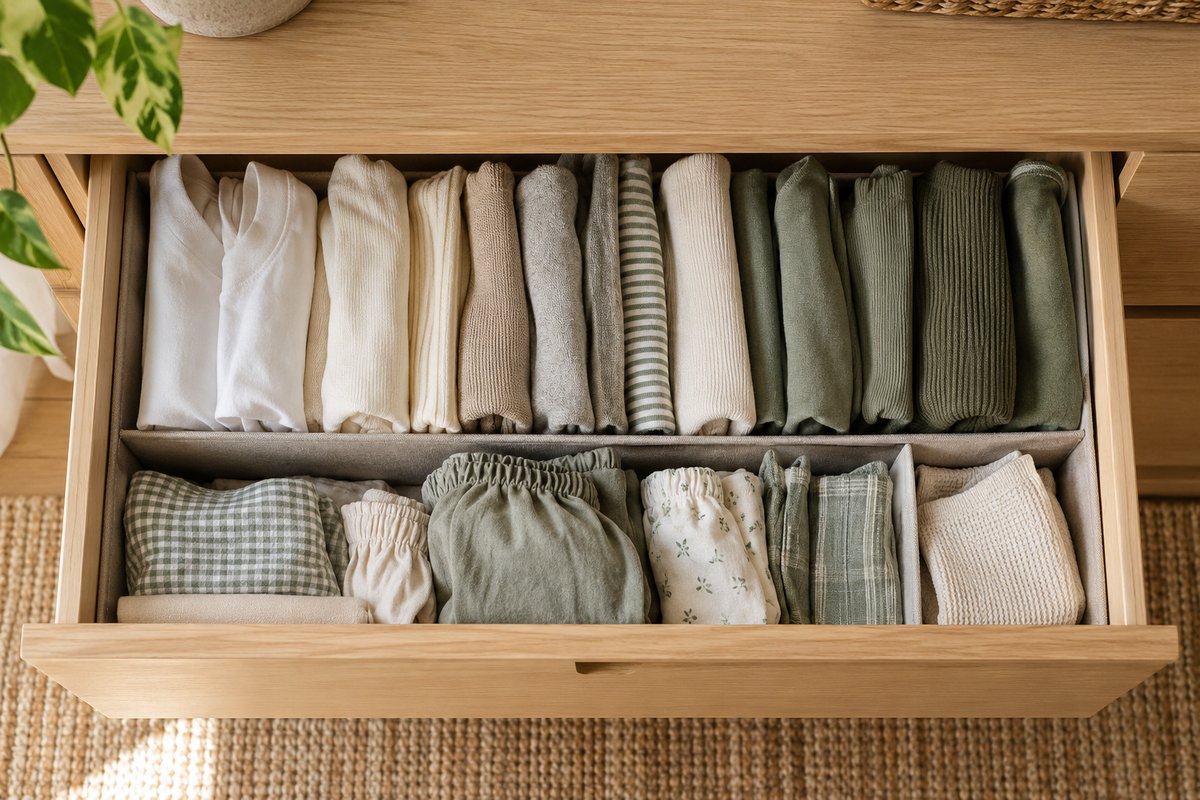
Stand suitable T-shirts, leggings, or pajamas upright in rows so you can see the choices without lifting a pile. Fold to the depth of your actual drawer rather than copying a precise folding method that leaves items too tall.
Keep loosely folded or delicate pieces flat if that suits them better. Try one row first, then open and close the drawer several times. Clothes should remain visible without catching at the back. Leave a little room for laundry returning during the week, rather than packing every row tightly.
7. Separate Small Clothing Without Tiny Compartments
Socks and underwear benefit from broad, shallow sections that prevent them from spreading across a drawer.
Choose divisions you can refill quickly after laundry. If putting clothes away requires refolding each piece to fit a tiny compartment, simplify the arrangement. Keep unmatched socks in one small temporary pouch and review it during the next laundry cycle instead of letting loose singles collect in every section.
8. Give Worn-Again Clothes a Defined Home
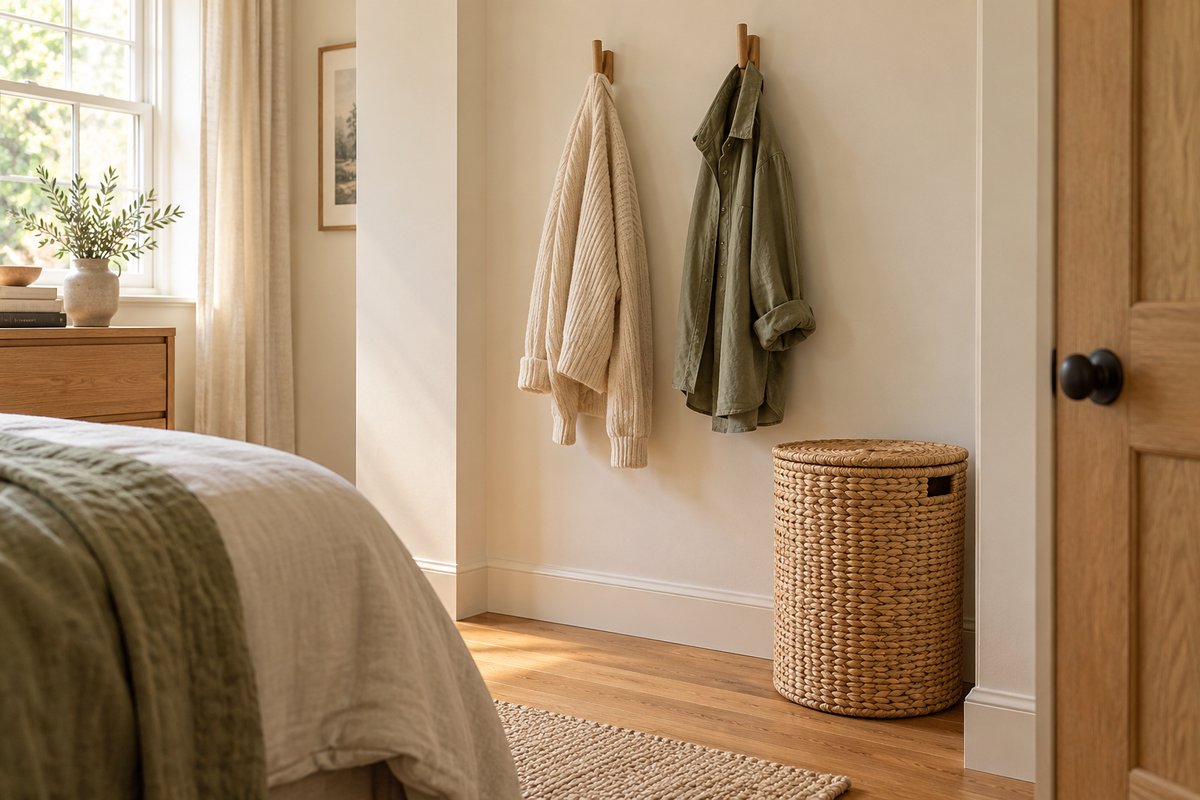
Create a place for clothes that have been worn but are not ready for washing. Use a few hooks, a short rail, or one section of an existing chair. Keep these clothes separate from fresh clothes and the laundry hamper.
Set the limit to what fits without piling. When the hooks or rail are full, decide what to wear next, return, or wash before adding more. Air items as appropriate for the fabric and conditions.
9. Place the Hamper Where Clothes Come Off
Position a manageable hamper near the place you normally change, with enough clearance to open its lid if it has one. A beautiful hamper across the room may miss the daily habit.
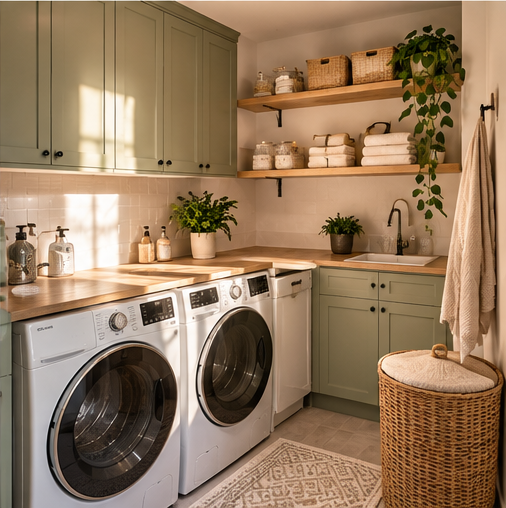
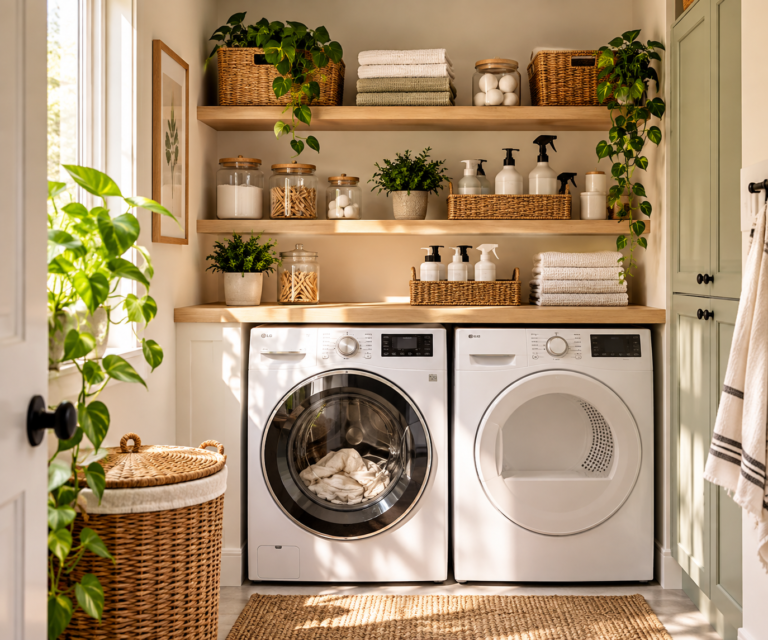
Keep it out of the door swing and walking route. Carrying the load should be straightforward, especially if laundry happens in another room or building. Our small laundry room guide can help organize the washing end of that routine.
10. Prepare Tomorrow’s Outfit in One Small Spot
Choose one hook or a short section of your rail for the next day’s clothes. Gather the outfit before bed so morning dressing does not involve pulling several options from drawers and leaving them on the mattress.
If you share a room, give each person a separate hook rather than expanding into a second furniture piece. This is a temporary staging area for one outfit, not overflow storage for a week of clothes or unfinished laundry.
11. Contain the Dresser-Top Getting-Ready Kit
Keep the small group of items you use while dressing together: perhaps a watch, everyday jewelry, and a brush. Use one shallow tray or drawer section and move occasional accessories away from the surface.
Test whether the tray makes the routine easier or merely holds unrelated clutter. Leave room to place folded laundry temporarily, then put that laundry away the same day. Store products according to their instructions and keep anything that belongs in the bathroom there rather than creating duplicate supplies in every room.
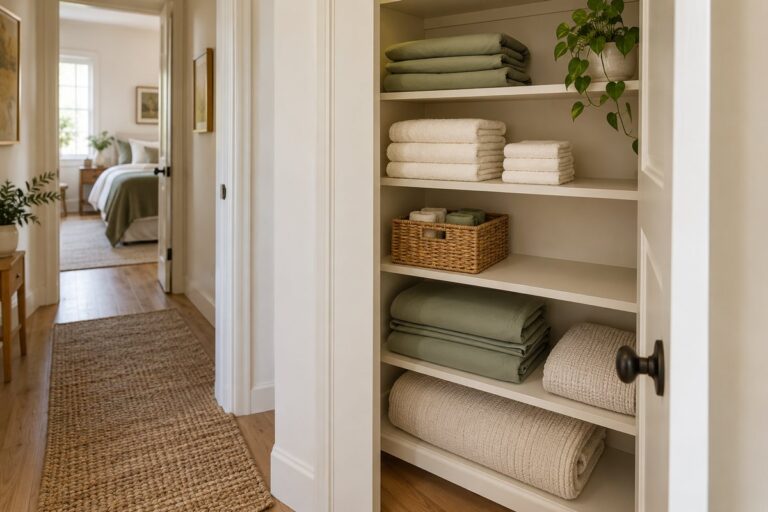
12. Store Sheet Sets as Complete Bundles
Keep a fitted sheet, flat sheet if you use one, and matching pillowcases together. Place the set you reach for most within easy reach.
Separate sizes if you have more than one bed and add a simple size label where needed. Store only clean, fully dry bedding. Avoid tall stacks that fall when you pull the bottom set; two shorter stacks often make changing the bed easier than one tightly packed tower.
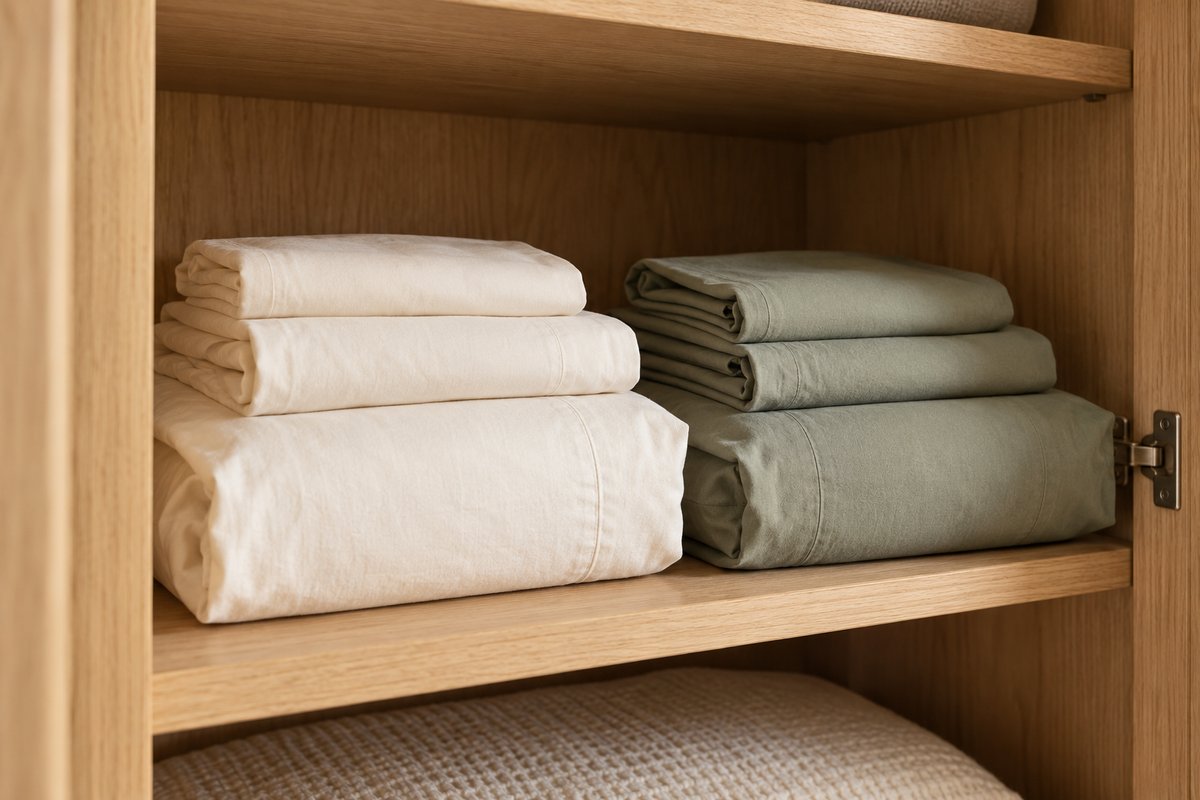
13. Give Bulky Bedding a Storage Limit
Count the blankets, spare pillows, and duvets that actually serve your household. Assign them one shelf, drawer, or suitable container. If they exceed that space, decide which pieces earn it rather than automatically adding another large storage unit.
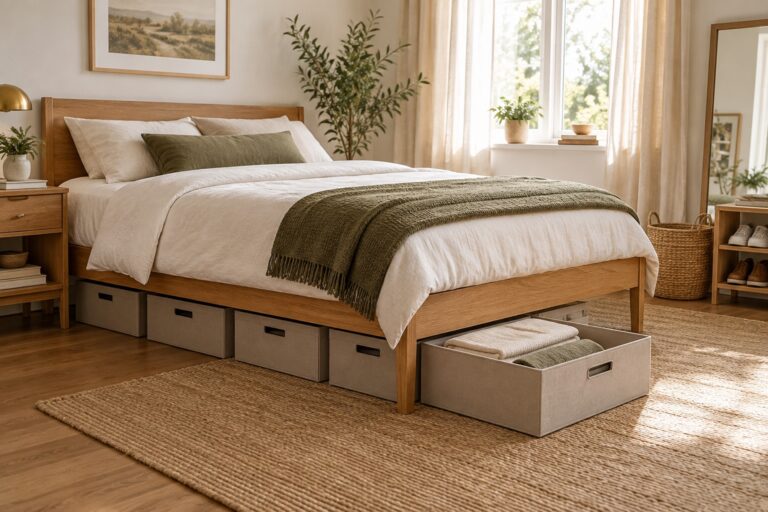
Keep a frequently used blanket accessible and seasonal bedding farther away. For storage beneath the bed, our under-bed storage guide explains container choices and access. Follow bedding care instructions; compression is not suitable for every filling or material.
14. Use a Wardrobe Top Without Losing Track of Its Contents
If the top of an existing wardrobe is suitable for storage, reserve it for lightweight, infrequently used items in manageable containers. Follow the furniture’s anchoring instructions; the CPSC’s furniture tip-over guidance explains why securing storage furniture matters. Keep containers away from ceiling fixtures and never block ventilation.
Label the visible front with a broad category, such as seasonal linens, so you know what is there from the floor. Do not turn a chair into a climbing aid or store heavy boxes overhead. If access is awkward, find a lower home rather than treating every high gap as useful storage.
15. Keep Your Current Reading Within Reach
Give the book or magazine you are actually reading one bedside spot. Move finished reading back to a shelf or its next destination. A stack of books you might read eventually can consume the whole nightstand without supporting tonight’s routine.
Keep the bedside arrangement low and clear of the lamp. Review it when you start a new book, so the bedroom does not quietly become storage for the apartment’s entire reading collection.
16. Return Bags and Everyday Carry Items to Their Zone
Empty yesterday’s bag of cups, receipts, and clothing before setting it down. Keep bags you use regularly in an accessible existing hook or wardrobe section, while occasional luggage belongs in less convenient storage.
Leave keys, mail, and shoes at the entrance when the apartment layout supports it. Our small entryway organization guide helps create that landing spot. In a studio, assign a specific boundary even if the entry and bed share the same room, so incoming items do not reach the pillows.
17. Put Bedroom Work Supplies Away as One Kit
If you sometimes work in the bedroom, collect the notebook, charger, headphones, and laptop sleeve in one portable kit. Give it an existing shelf or cabinet space that is easy to use at the end of the day.
Keep the kit separate from sleep essentials and leave the bed clear before bedtime. Avoid expanding a temporary work setup into piles on every surface. If the kit belongs in a shared living space, our living room organization guide covers a portable work zone alongside everyday activities.
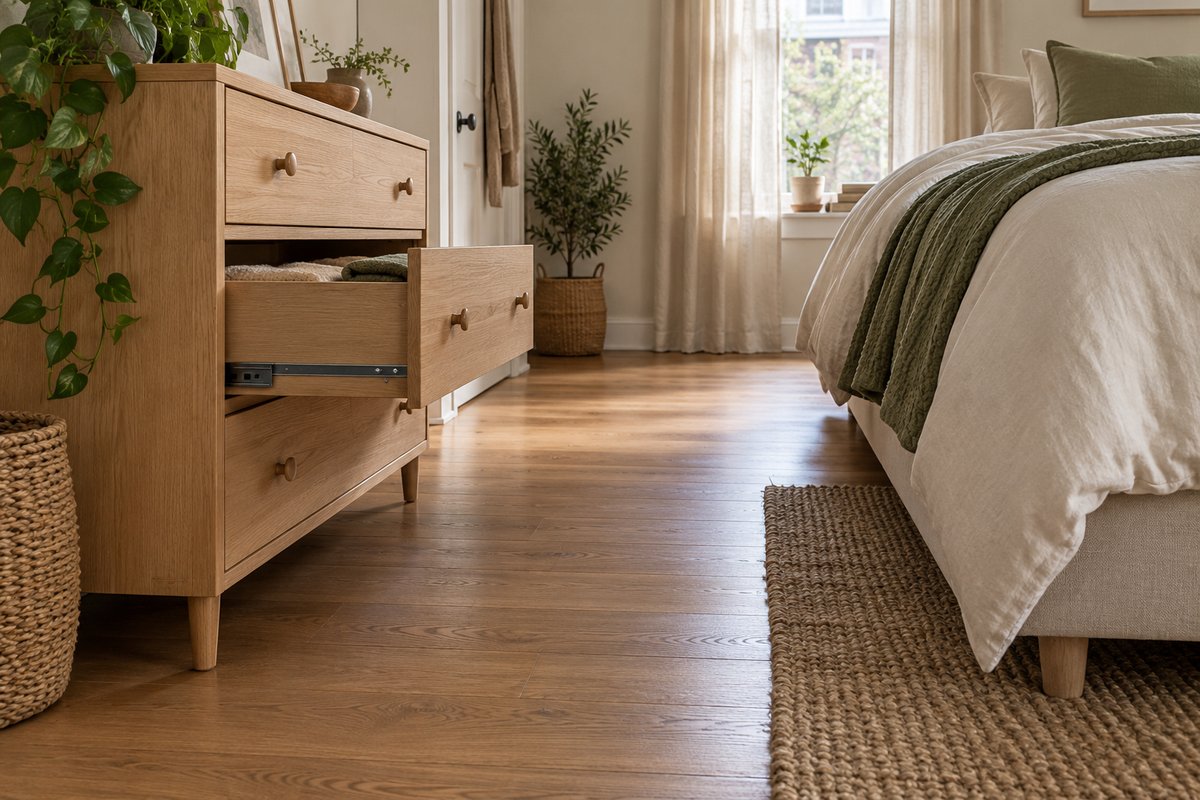
18. Protect Drawer Clearance and the Route Around the Bed
Open each dresser, wardrobe, and bedside drawer in turn to check where furniture competes for space. Walk from the door to the bed and your dressing spot. A storage unit that fits when closed can still make the room awkward to use.
Move a small piece or reduce what sits on the floor before adding new furniture. Do not block doors, windows needed for access, or heaters. If several rooms compete for the same belongings, our small apartment organization guide helps decide where whole categories should live.
19. Agree on Boundaries in a Shared Bedroom
Divide shared drawers and shelves visibly, using a shelf edge or a simple divider. Give each person a place for daily essentials and worn-again clothes.
Discuss what can stay on shared surfaces and what should return to personal storage. Keep one person’s system from becoming extra sorting work for the other. Revisit the allocation if someone’s category repeatedly overflows; a different drawer split may solve the problem better than another basket in the walkway.
20. Create One Small Home for Temporary Items
A birthday gift, repair item, or parcel awaiting a return may need a temporary place in the bedroom. Use one modest box on an existing shelf and attach a note with the next action.
Review it weekly and complete the action, rather than moving the contents into a larger container. If the box fills, process it before adding more. This gives temporary items a boundary while keeping the bed, chair, and dresser from becoming indefinite holding areas.
21. Finish With a Two-Minute Bedtime Reset
Return glasses and the current book to the nightstand, move laundry into the hamper, and hang worn-again clothes in their assigned spot. Clear the route to the bed and put away any items borrowed from other rooms.
Keep the reset short enough to repeat on a busy evening. If the same object never gets returned, move its home closer or make it easier to access. Small bedroom organization ideas work best when putting things away takes less effort than leaving them on the nearest surface.
Small Bedroom Organization Ideas for Everyday Life
A useful bedroom system gives everyday belongings clear homes while leaving enough room to dress, rest, and move around. It does not require matching baskets, a perfect wardrobe, or furniture in every spare corner.
Start with the nightstand and the clothes that collect outside storage. Test one change through a normal week, then adjust the next trouble spot. Keep the routines you can repeat and remove organizers that make access harder.
With a manageable dresser, a boundary for worn-again clothes, and a brief bedtime reset, a small apartment bedroom can stay comfortable through everyday use.
Keep Organizing
Continue with more practical TidyLuma ideas for small spaces.