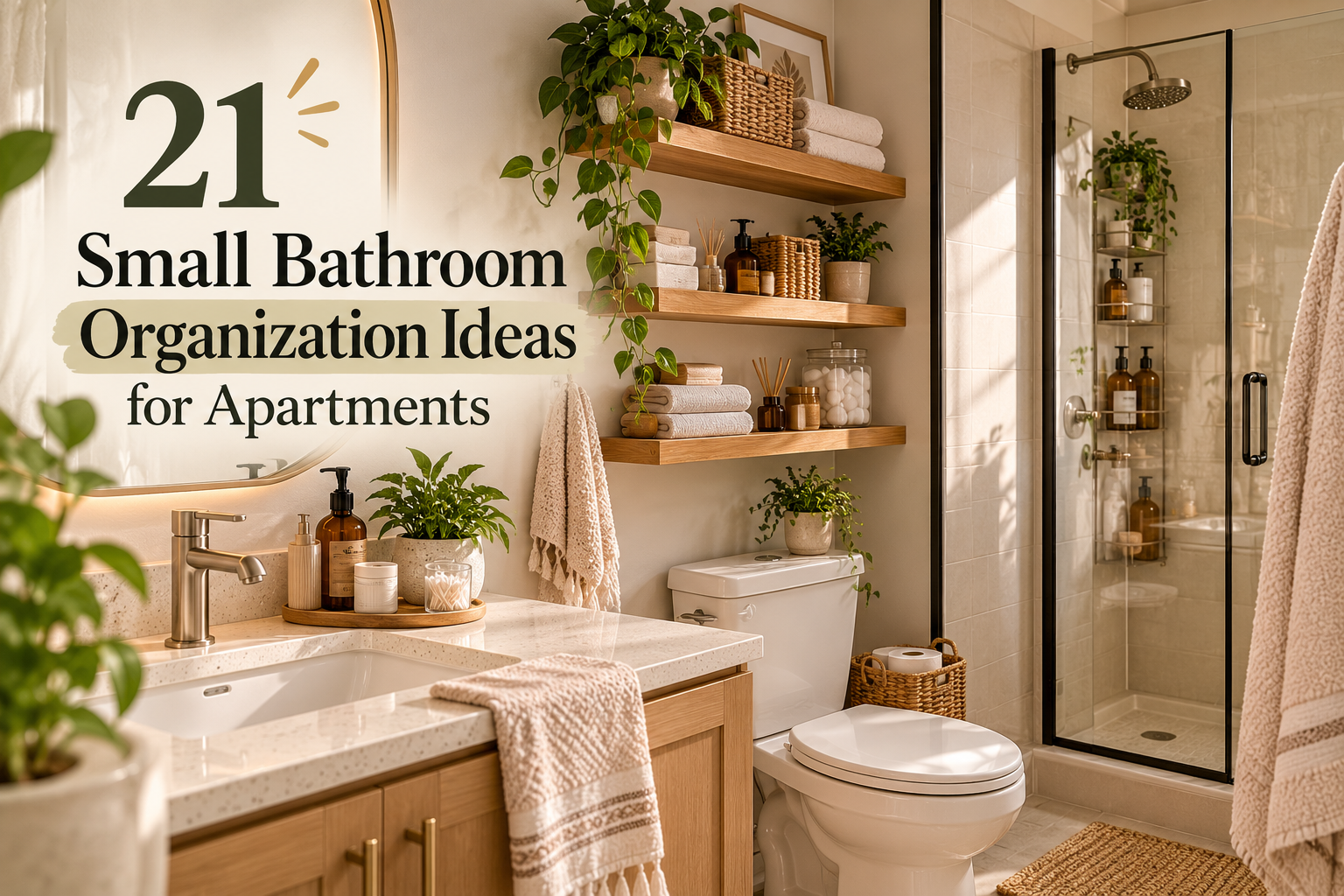
21 Small Bathroom Organization Ideas for Apartments
Small bathrooms can become cluttered fast, especially in apartments where towels, toiletries, and cleaning supplies compete for a few easy-to-reach spots.
A small bathroom needs a placement system before it needs more containers. Sort what is already there into four groups: daily-use, occasional-use, unopened backups, and items that belong outside the bathroom.
Give daily-use items the easiest access, keep backups together but out of the prime zone, and leave a little room to put things back. Then choose storage only for categories that still have no workable home. These small bathroom organization ideas focus on where things belong and how to keep the system easy to use.
Quick Small Bathroom Wins
- Remove expired products and toiletries you no longer use.
- Keep daily essentials within easy reach.
- Move backups and rarely used items away from prime storage space.
- Give each category one return spot before adding more storage.
- Notice where products land during a normal week and adjust the zones.
- Leave a little open space so the bathroom stays easy to maintain.
If a category still needs a shelf, bin, or cart, use our guide to measure storage that will fit your bathroom before buying an organizer.
1. Clear the Counter Before Adding Storage
A crowded counter can make even a clean bathroom feel messy. Start by removing everything from the sink area and deciding what truly needs to stay within reach.
Keep only the products you use every day on the counter. Skincare backups, extra toiletries, cleaning products, and occasional-use items can usually live inside a drawer, cabinet, basket, or nearby closet.
2. Create a Daily-Use Zone Near the Sink
Instead of scattering toothbrushes, skincare, soap, and grooming products across the bathroom, give everyday essentials one defined area.
A small tray, shallow basket, or divided organizer can keep frequently used items together. When everything has one clear place, the counter is easier to reset after the morning routine.
3. Give Above-Toilet Shelves One Purpose
If you already use the area above the toilet, decide what belongs there before filling it. Folded guest towels or unopened backups can have one secondary zone while daily products stay near the place they are used.
Keep each group contained and leave room to take one item without moving everything else. When you need to add a shelf, check its physical fit in the storage guide first.
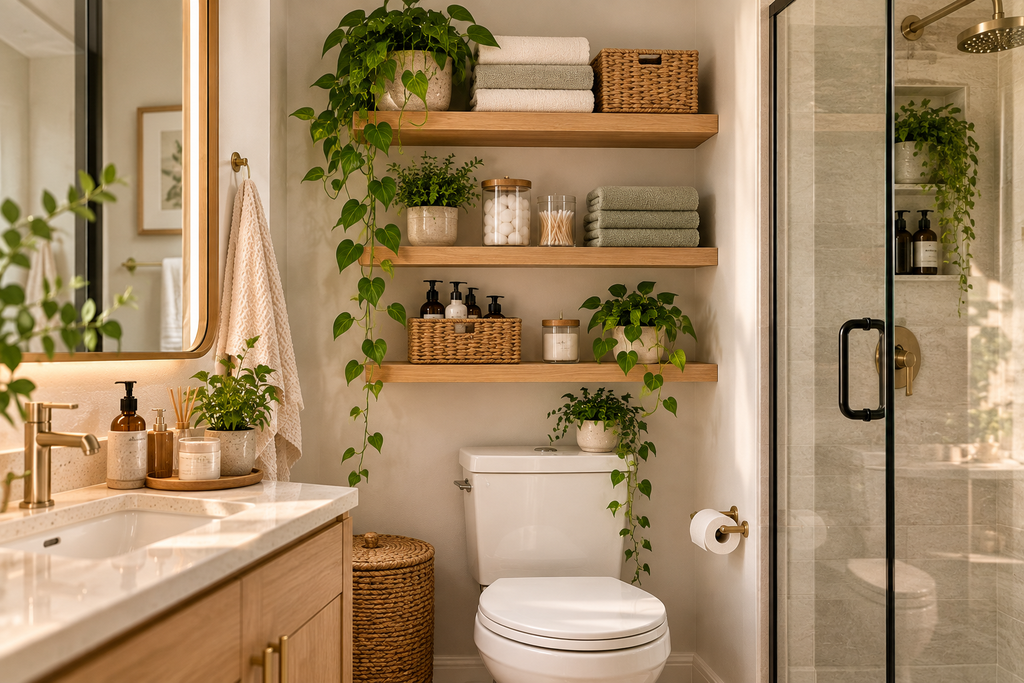
4. Organize Existing Shelves by Use
An open shelf stays easier to maintain when it has a clear job. Keep frequently used items on the most reachable level and occasional items together higher up, if they can be reached safely.
Review what collects on the shelf after a week. Move anything that repeatedly lands elsewhere to a more natural return spot instead of adding another decorative container.
5. Use Baskets to Group Similar Toiletries
Baskets are useful when each one holds one recognizable category, such as hair care, skincare, dental care, or unopened backups. They should make it easier to remove and return a group, not hide unrelated items.
If a basket becomes a catch-all, empty it and give the stray items their own homes. A short label can help in a shared bathroom; otherwise keep the system as simple as possible.
6. Give Small Tools a Consistent Return Spot
Brushes, combs, and cleaning cloths are easy to leave on the counter when their usual spot is inconvenient. Assign each small group a place close to where it is used, such as a vanity drawer or an existing door organizer.
Try the routine for a week. If a tool never returns to its assigned spot, move that spot closer to where it naturally lands rather than buying another organizer.
7. Separate Active Products From Backups Under the Sink
Treat the under-sink cabinet as a few defined zones instead of one crowded space. Keep active products together where you can reach them, unopened backups in a secondary group, and cleaning supplies separate from personal-care items.
Pull out one category at a time when you need it, then return it to the same zone. If the cabinet keeps filling up, check for duplicate backups before adding another tier of storage.
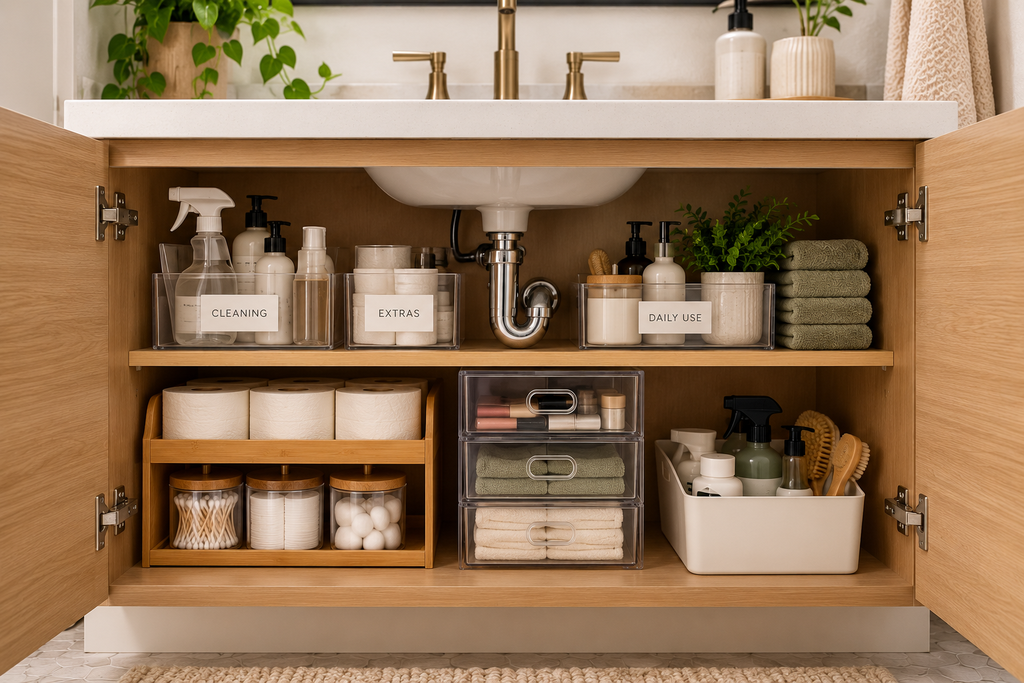
8. Make Deep Cabinets Easy to Reset
When items at the back are hard to see, the front of a deep cabinet becomes a drop zone. Use one removable group for each purpose so you can pull it forward, take what you need, and return the whole group.
During the weekly reset, check whether products have escaped their group. If they have, simplify the categories or move the most-used items closer to the front.
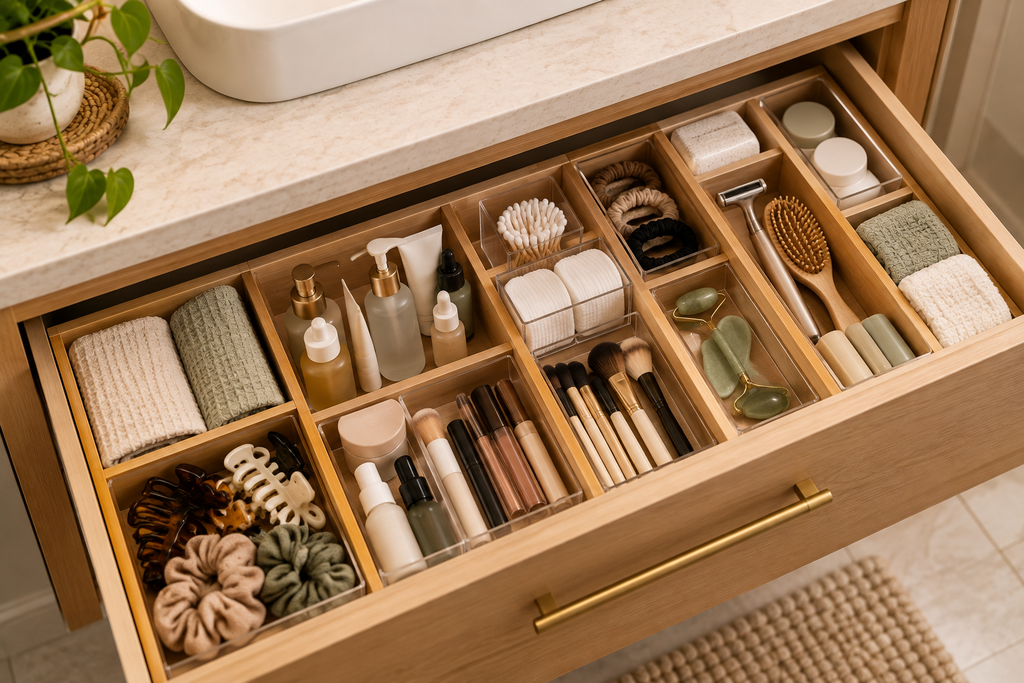
9. Divide Bathroom Drawers Into Simple Zones
Drawers become messy when small products move around every time they are opened. Dividers or small trays can create clear sections for makeup, grooming tools, dental care, and other essentials.
Keep the system simple. Too many tiny compartments can become harder to maintain than one or two useful categories.
10. Set a Simple Bathroom Restock Rule
Give unopened backups one bounded zone and keep only the active product at its point of use. When a backup is opened, check how much remains before adding that product to the shopping list.
Scan the backup zone before buying toiletries. If you already have enough for the next normal refill, skip the duplicate and leave room for the products you actually need.
11. Put Towels Where They Naturally Land
A towel needs a return spot that is easy to use after washing or showering. Check where towels tend to end up, then use an existing hook or bar close to that routine when possible.
In a shared bathroom, give each person a clear place. Keep enough room for towels to dry, and move rarely used extras out of the daily-use area.
12. Keep Towels Folded by Size and Purpose
Separate bath towels, hand towels, and washcloths instead of mixing them into one large stack. Smaller categories are easier to maintain and help you see what you already have.
If shelf space is limited, keep only a practical number of towels in the bathroom and store extras elsewhere.
13. Use the Back of the Door for a Defined Category
If you already use the back of the bathroom door, reserve it for a small group such as robes or towels rather than letting it collect miscellaneous items.
Include this spot in the five-minute reset: return the items that belong there and move anything else to its proper zone. If you plan to add an organizer, check the door swing and fit first.
14. Use a Cart Only for a Specific Routine
A cart can serve a routine when built-in storage is limited, but it needs a clear purpose. Decide which items should travel together, such as grooming supplies used at the mirror, before assigning shelves.
If the cart mostly collects extras, move backups to a secondary zone and keep the floor clear. Use the storage fit plan before adding a cart to a narrow gap.
15. Keep Only Active Products in the Shower
The shower is easiest to clean when it holds only products currently in use. Group those bottles in an existing caddy or shelf and move unopened backups out of the wet zone.
At the weekly reset, remove empties and products no one uses. This keeps the shower group small enough to reach and return without crowding the tub edge.

16. Give Hair Tools a Safe Storage Zone
Hair dryers, straighteners, curling tools, and their cords can quickly take over a drawer or vanity. Give them one dedicated location rather than storing them with smaller toiletries.
A heat-safe holder, deep bin, or cabinet-door organizer can keep cords contained and make the tools easier to put away after they have cooled.
17. Store Toilet Paper Without Overfilling the Room
Keep enough toilet paper nearby to be practical, but avoid storing a large bulk package in a small bathroom if it overwhelms the space.
A basket, shelf, or cabinet can hold a few extra rolls while the rest of the package stays in another storage area.
18. Use Clear Containers for Small Items You Need to See
Small items such as cotton pads, cotton swabs, dental picks, and hair accessories are easier to manage when they are visible and contained.
Clear containers can work well, but there is no need to decant every bathroom product. Use them only where visibility genuinely makes the routine easier.

19. Keep Cleaning Supplies Together
A small bathroom is easier to maintain when basic cleaning supplies are easy to find. Keep the products you regularly use together in one handled bin or designated cabinet area.
Do not crowd the bathroom with every cleaning product you own. A simple bathroom-specific kit is usually enough for quick maintenance.
20. Leave Some Storage Space Empty
Every shelf, drawer, and basket does not need to be completely full. A little empty space makes products easier to reach and gives you room for changing needs.
If every organizer is packed tightly, the system will become difficult to maintain as soon as you buy something new.
21. Do a Five-Minute Bathroom Reset Each Week
Even a good organization system needs a little maintenance. Once a week, take a few minutes to return misplaced items, throw away empty packaging, straighten towels, and move products back to their regular zones.
- Clear products that have collected around the sink.
- Return toiletries to their regular storage zones.
- Check for empty or expired products.
- Refold or replace towels.
- Restock only the essentials you are running low on.
Why Clutter Returns
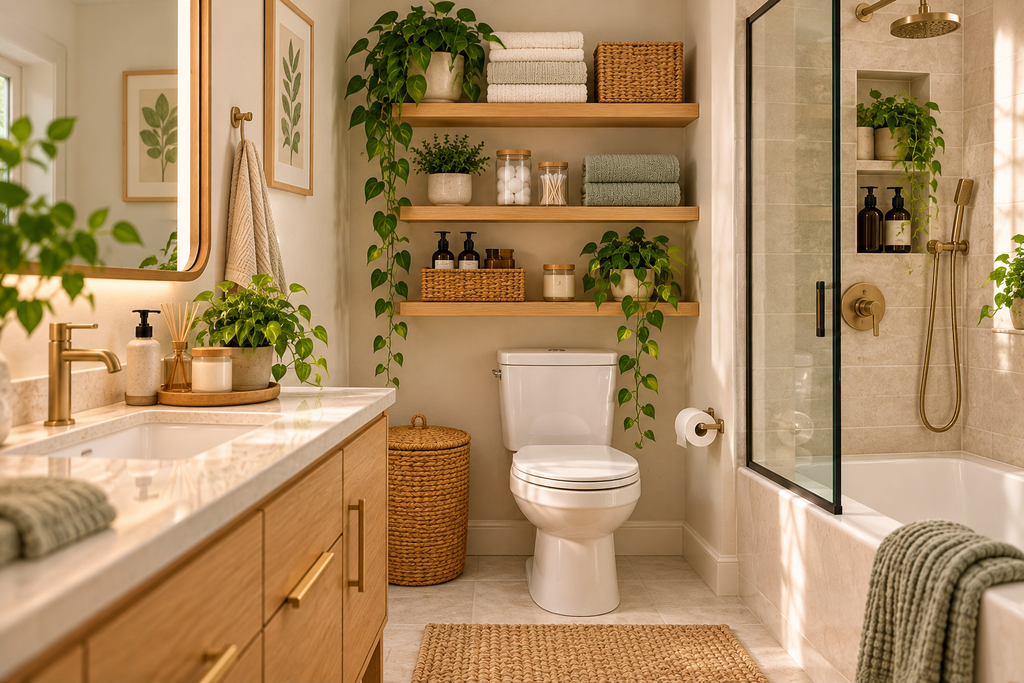
If the sink fills up again within a few days, ask which item has no convenient return spot. If the under-sink cabinet is full, check whether backups are mixed with active products. If a basket becomes a catch-all, narrow it to one category and label it only if several people use the space.
Review the system after a week of normal use and move anything that consistently lands elsewhere. The best zone is the one your routine actually uses. Repeat the five-minute reset, then change one troublesome zone at a time.
Small Bathroom Organization Ideas That Work in Real Life
The best small bathroom organization ideas make everyday routines easier to repeat. You do not need matching containers on every shelf or an expensive renovation to give each item a workable home.
Start with the four groups, place daily-use items where you reach for them, and move backups out of the prime zone. Try the five-minute reset for a week; if one area keeps collecting clutter, change its return spot before adding another container.
If you are organizing more than one compact room, explore our small apartment organization ideas for practical ways to make limited space work harder throughout your home.
You can also continue with our small kitchen cabinet organization ideas and small fridge organization ideas for more room-by-room storage inspiration.
Keep Organizing
Continue with more practical TidyLuma ideas for small spaces.