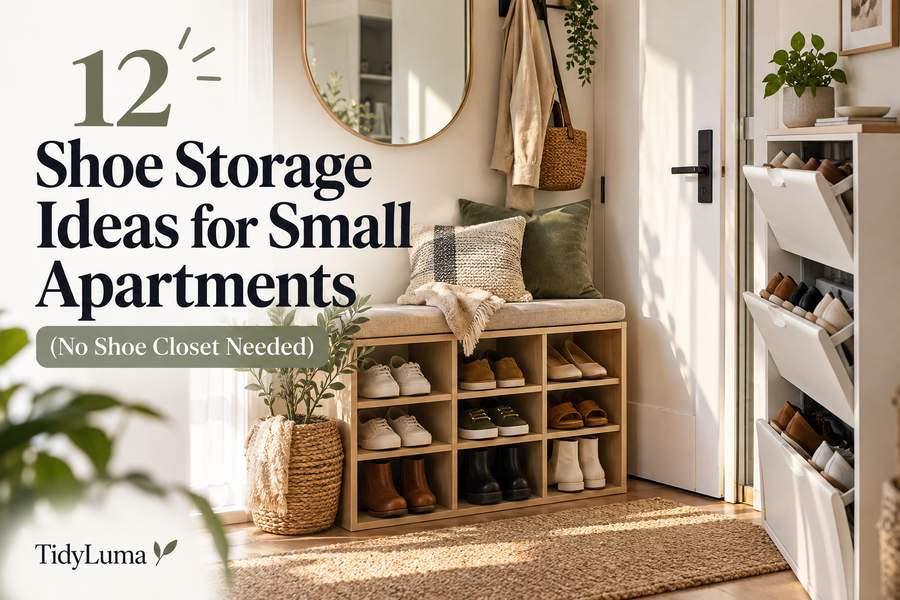
12 Shoe Storage Ideas for Small Apartments (No Shoe Closet Needed)
Finding a place for shoes can be surprisingly difficult in a small apartment. A few pairs by the front door quickly become a pile, while sneakers, boots, sandals, and occasional-use shoes compete for space in closets and bedrooms.
The good news is that you do not need a dedicated shoe closet to keep everything organized. The right shoe storage ideas for small apartments can make everyday footwear easier to find while protecting valuable floor space.
The trick is to organize shoes according to how often you wear them, where you naturally take them off, and how much storage space you actually have. These practical solutions work for compact entryways, small bedrooms, narrow closets, and apartments with almost no built-in storage.
The key takeaway
Store shoes based on how often you wear them. Keep a small number of everyday pairs accessible, move occasional footwear into secondary storage, and protect the walking space around your entryway.
Start here
Quick Shoe Storage Wins
- Remove shoes you no longer wear or that no longer fit.
- Keep only frequently worn pairs near the front door.
- Measure available storage space before buying an organizer.
- Use vertical space when floor space is limited.
- Keep damp shoes out of enclosed storage until dry.
- Give every pair a consistent storage location.
Use a Shoe-Capacity Fit Card Before Buying
The amount of shoe storage you need near the door is the number of pairs used in a normal week, not every pair you own. Count those separately from occasional pairs, tall boots, and shoes that need a place to dry. Then test one existing tray, shelf, or closet section before choosing a cabinet.
Copy this shoe fit card: Everyday pairs: ______; occasional/seasonal pairs: ______; tall pairs: ______; damp-shoe drying spot: ______; clear wall width: ______; maximum depth that keeps the door and walking route open: ______; usable shelf or compartment height: ______.
Choose a first test: If daily shoes fit in an existing tray, keep only those pairs by the entrance. If the walkway is too narrow even for a tray, use an existing closet shelf and leave a clear floor route. If boots are too tall for a slim cabinet, keep them in a separate dry, accessible place instead of forcing them into a compartment.
Illustrative example (hypothetical): Suppose two everyday pairs fit in a tray but a pair of tall boots does not fit a shallow cabinet. The first change is to keep the two daily pairs on the tray and move the clean, dry boots to the bedroom closet. After a week, check whether shoes return to those places without narrowing the entry path. This is a planning example, not a documented home result.
1. Start With the Shoes You Actually Wear
Before buying a shoe rack or cabinet, take stock of the footwear you already own. Small apartments often feel short on shoe storage because every pair is treated as equally important, even when some are worn only a few times a year.
Separate your shoes into everyday pairs, occasional-use footwear, seasonal items, and pairs you no longer need. Shoes that are damaged beyond repair or never worn should not occupy valuable storage space.
This first step helps you understand how much accessible storage you need. A household with five regularly worn pairs requires a different system from one where twenty pairs are kept by the entrance.
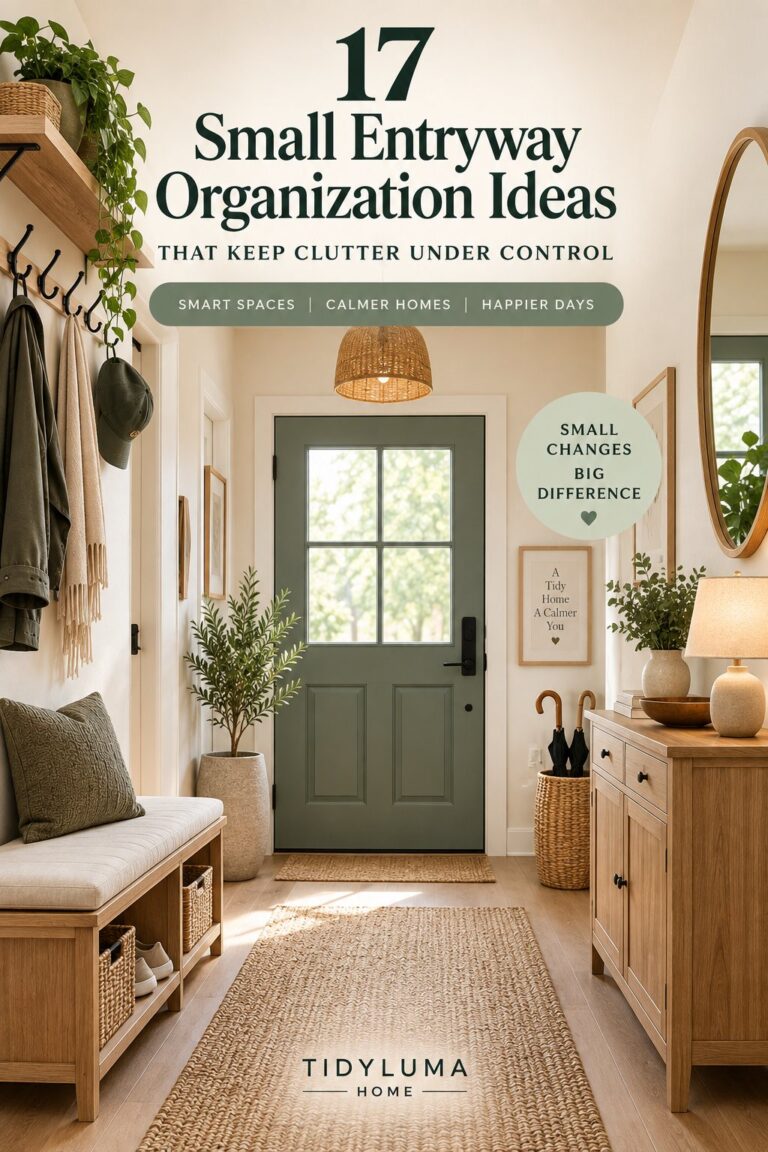
2. Create a Small Everyday Shoe Zone Near the Door
The front door is often where shoe clutter begins. Instead of allowing footwear to spread across the entryway, choose one clearly defined area for the shoes you wear most frequently.
A low rack, shallow tray, or narrow shelf may be enough for two or three pairs per person. Position it where shoes naturally come off, but make sure it does not interfere with the door or main walking path.
Keep occasional-use shoes somewhere else. The entrance should support your daily routine, not act as the main storage area for every pair you own.
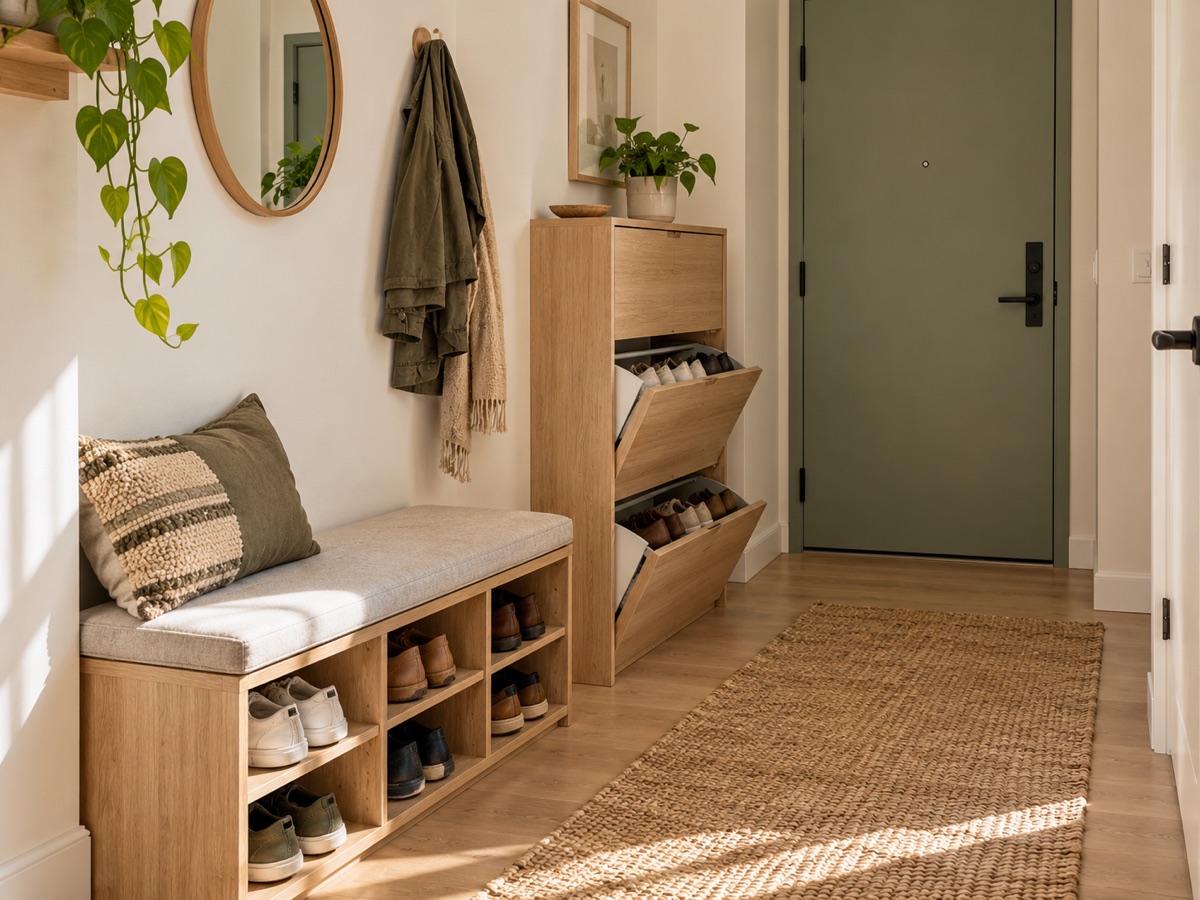
3. Use a Slim Shoe Cabinet in a Narrow Entryway
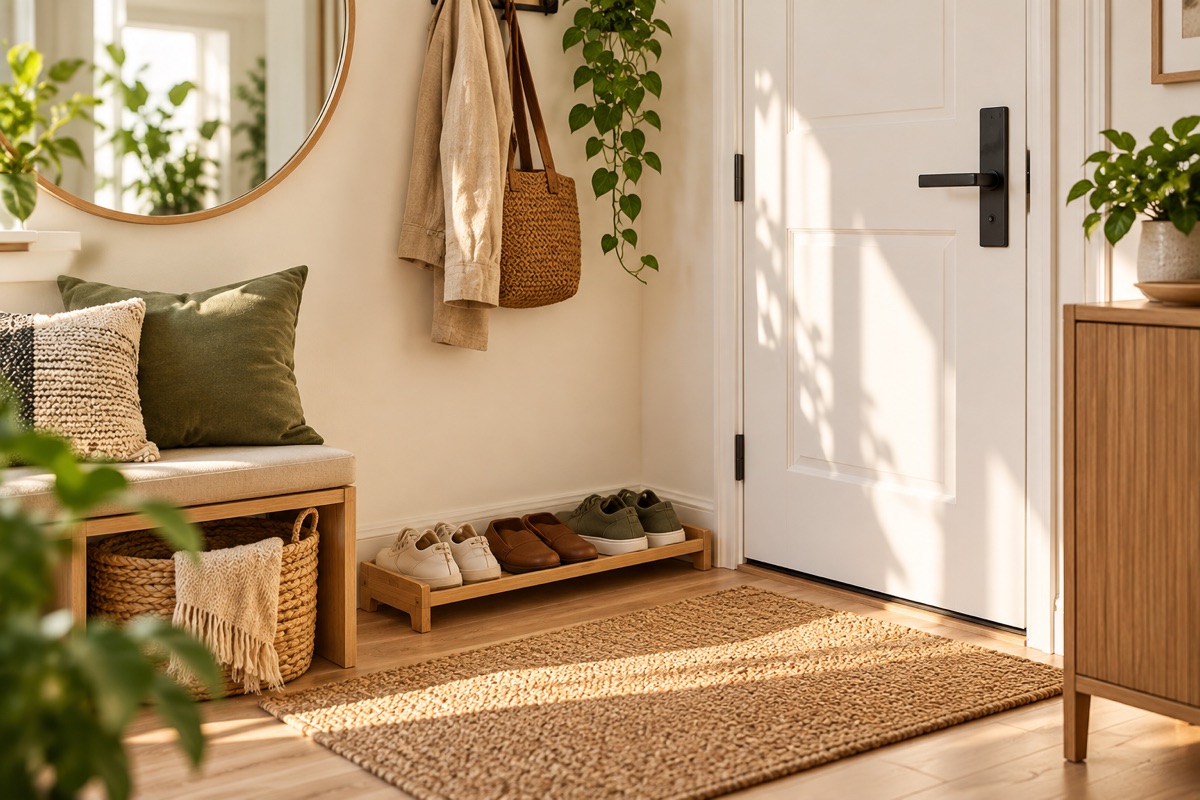
A slim shoe cabinet can be one of the most practical solutions for apartments with narrow hallways. Unlike traditional deep shelving, some cabinets use tilt-out compartments that hold shoes in a relatively shallow footprint.
Measure the available wall width, cabinet depth, and clearance needed to open the compartments before choosing a model. Remember to check whether your larger shoes will fit comfortably.
Choose furniture that can be secured safely according to the manufacturer’s instructions. If you rent, confirm what installation methods your lease allows, and avoid using tall or unstable cabinets without the necessary anti-tip protection.
4. Choose an Entryway Bench With Shoe Storage
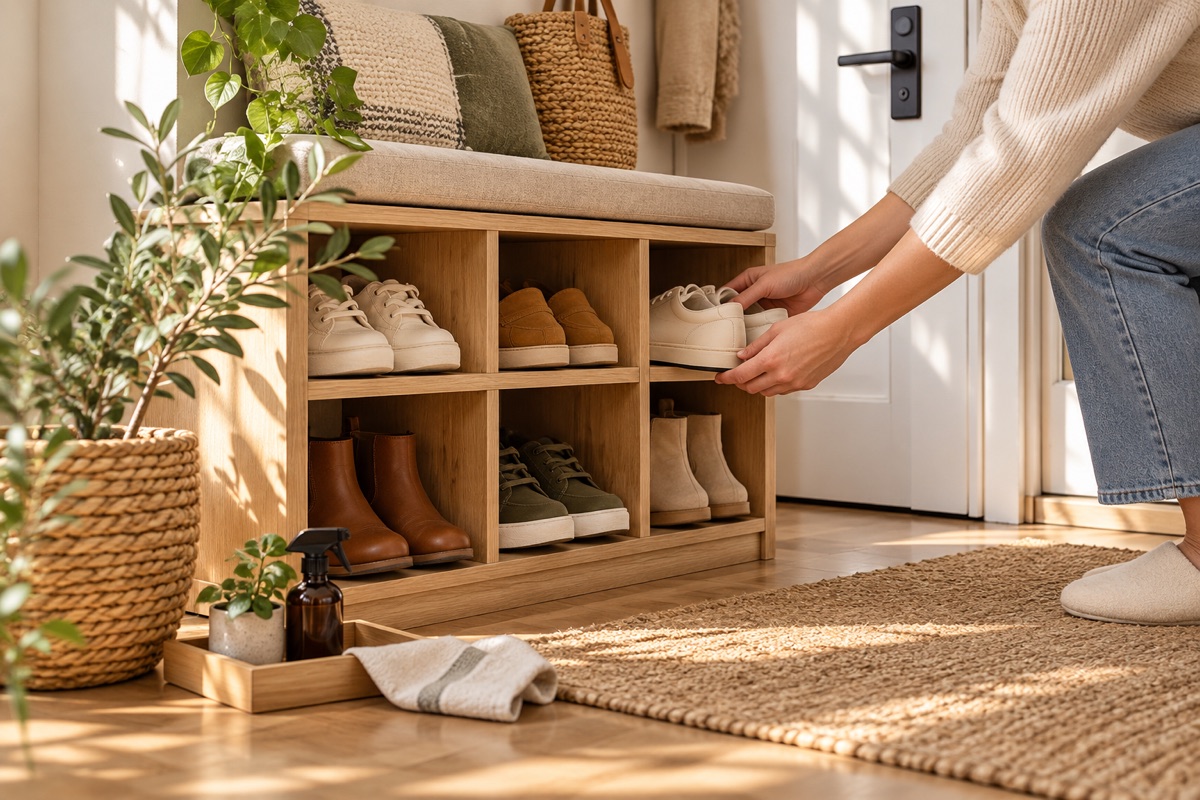
If you have enough room for a small bench, choose one with useful storage underneath. This combines a place to sit while putting on shoes with a dedicated area for everyday footwear.
Open cubbies work well for frequently worn shoes because they remain visible and can air out. A bench with drawers or enclosed compartments may be better for clean, dry accessories and less frequently used items.
Keep the bench proportional to the entryway. A piece that blocks the door or narrows the walking route is not a useful small-space solution, even if it adds storage.
5. Stack Shoe Storage Vertically Instead of Spreading It Across the Floor
When floor space is limited, a narrow vertical shoe rack may store more pairs than several short racks spread across the room.
Look for a rack with enough shelf height for your actual footwear. Sneakers, ankle boots, flats, and high-top shoes do not all fit the same compartments.
Keep heavier footwear on lower shelves and lighter pairs above. Avoid placing tall storage close to a door where it could be knocked over, and follow the manufacturer’s stability and anchoring guidance.
Small-space rule: The best shoe organizer is not the one that holds the most pairs. It is the one that fits your actual space, keeps shoes accessible, and leaves the apartment easy to move through.
6. Make Use of the Bottom of a Bedroom Closet
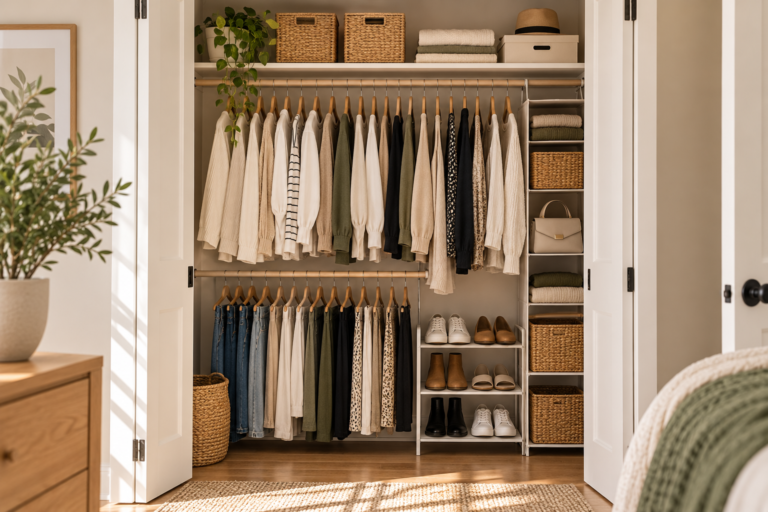
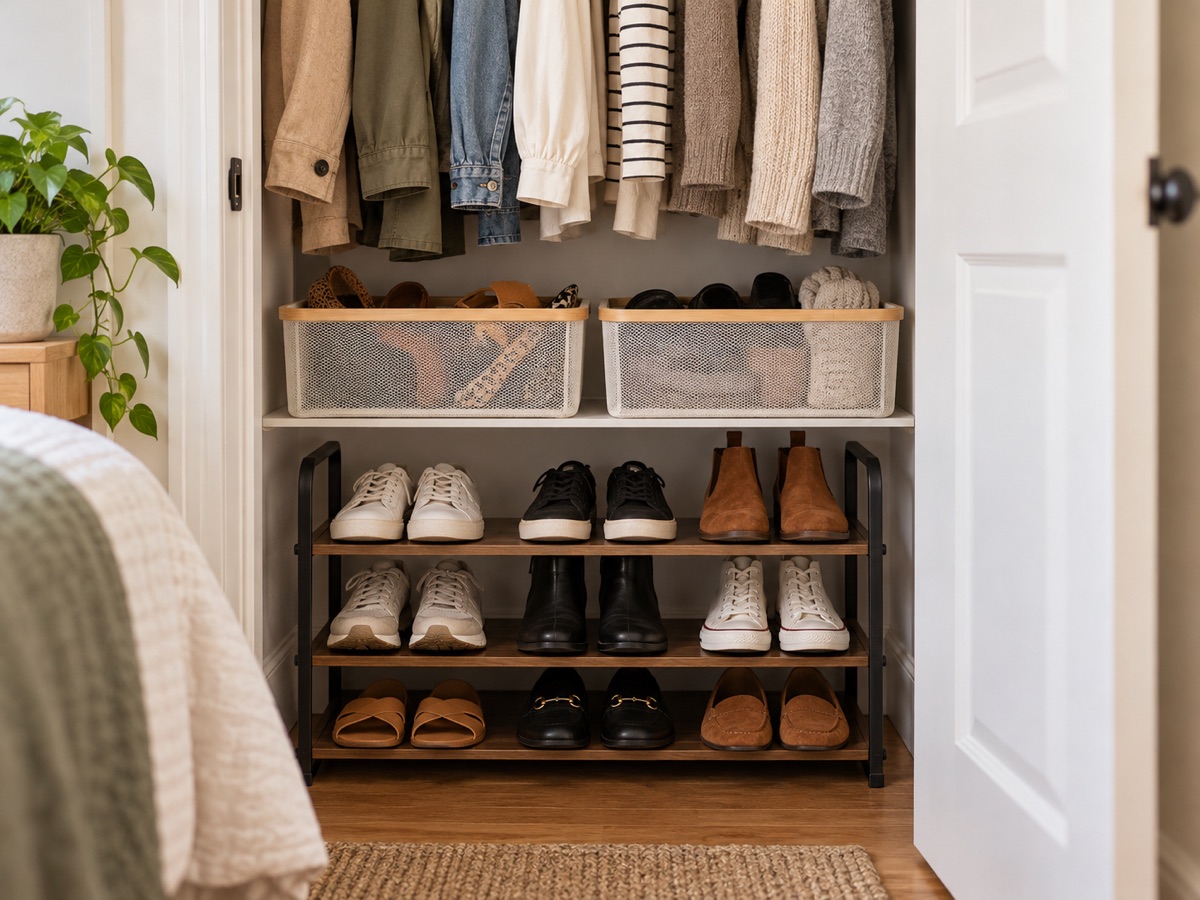
If your entryway is extremely small, your bedroom closet may be the better location for most of your shoes. The bottom section of a wardrobe or closet often has usable space beneath hanging clothes.
A short shoe shelf or low divided organizer can keep footwear separated from clothing. Measure the available clearance before adding anything, especially if long coats, dresses, or trousers hang above.
Keep this area reserved for clean, dry footwear. For additional ways to make a compact bedroom functional, explore our small bedroom organization ideas.
7. Store Seasonal Shoes Under the Bed
Under-bed storage is particularly useful for footwear you do not need every day. Winter boots, summer sandals, and special-occasion shoes can occupy valuable entryway space even when they are rarely worn.
Choose low-profile containers that fit comfortably beneath the bed without scraping the floor or getting stuck against the frame.
Clean shoes before storing them, allow them to dry completely, and use containers appropriate for the material and storage conditions. Breathable storage may be preferable for footwear that needs airflow.
Label containers by season or category so you can retrieve a pair without pulling everything out.
8. Try an Over-the-Door Organizer for Lightweight Shoes
The inside of a closet door can provide useful storage when shelves and floor space are already occupied. Over-the-door organizers are especially practical for lightweight footwear such as flats, slippers, and some sandals.
Choose an organizer that fits the door properly and does not prevent it from closing. Check its weight limit before filling the pockets, and avoid forcing bulky shoes into compartments that are too small.
This solution works best when it keeps footwear organized without creating new problems with door clearance, ventilation, or access to nearby shelves.

9. Use Clear or Labeled Shoe Bins for Occasional Pairs
Stackable shoe containers can help when you need to store several occasional-use pairs in a closet or secondary storage zone.
Clear containers make it easier to identify footwear without opening every box. If you prefer opaque storage, simple labels with the shoe type or season work just as well.
Avoid automatically buying one box for every pair. Containers take up space too, and bulky packaging can sometimes waste more room than an open shelf.
Use individual bins when they genuinely improve visibility, protection, or accessibility. They are particularly useful for occasional footwear that remains clean and dry between uses.
10. Keep Wet and Dirty Shoes in a Separate Landing Zone
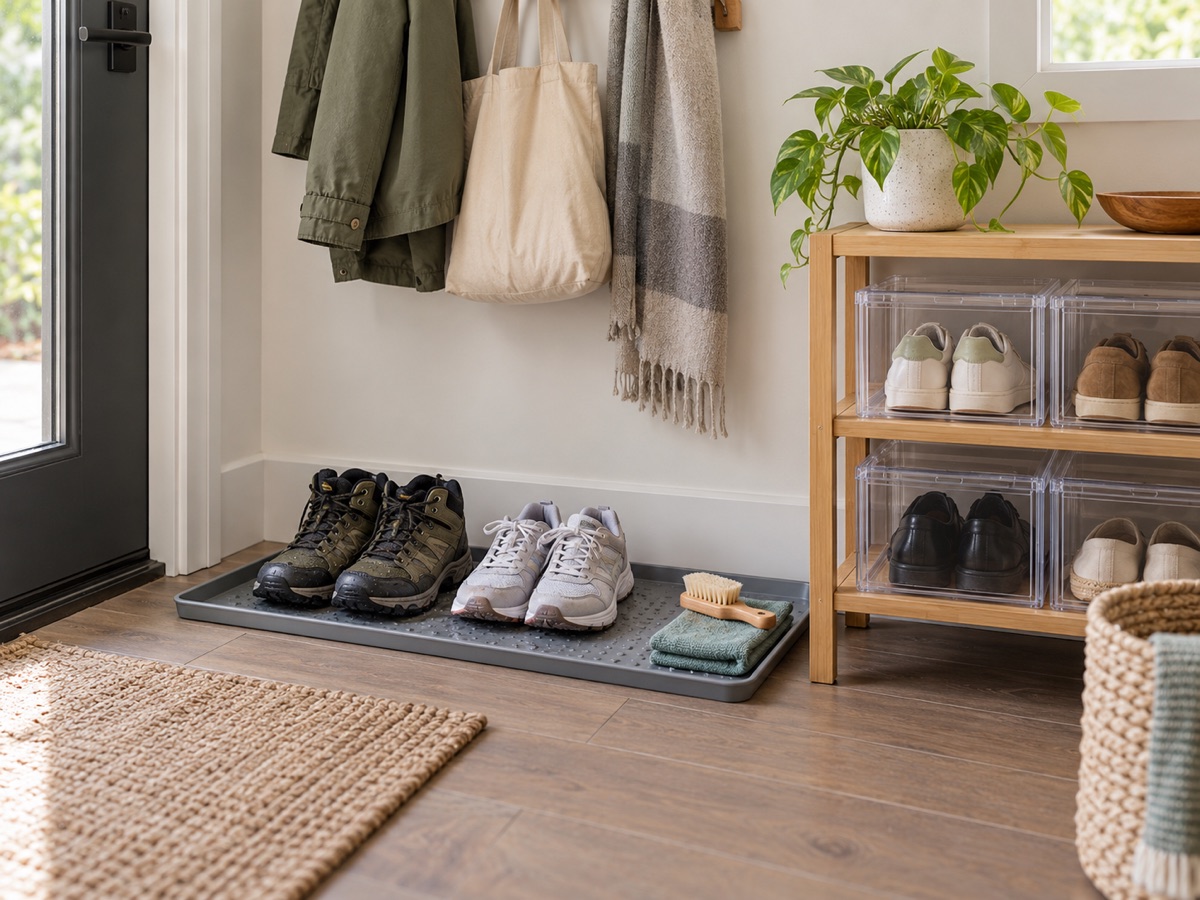
Rain, dust, and muddy soles can create problems when shoes are placed directly into clean storage. A small washable shoe tray near the entrance can help contain dirt and protect the surrounding floor.
Choose a tray that fits the available area without blocking movement. Keep a cloth or small brush nearby if you frequently need to clean footwear before putting it away.
Do not place wet shoes immediately into sealed containers or closed cabinets. Let them dry in a suitable ventilated location first to help reduce trapped moisture and odors.
11. Separate Everyday Footwear From Special-Occasion Shoes
Dress shoes, formal heels, hiking footwear, and other occasional pairs do not need the same easy-access position as the shoes you wear every morning.
Move these pairs into a secondary closet shelf, protected container, or another appropriate storage area. This keeps the entryway and bedroom storage focused on footwear that supports your daily routine.
If you live in a studio apartment, the goal is to create functional zones even when multiple activities happen in one room. Our small apartment organization ideas offer more ways to keep everyday categories from competing for the same space.
12. Maintain Your Shoe Storage With a Five-Minute Weekly Reset
Even a well-designed shoe storage system can become cluttered if pairs are regularly left outside their assigned areas. A short weekly reset helps prevent the entryway or closet from becoming crowded again.
Return misplaced shoes, remove dirt from the storage area, check for wet footwear, and move seasonal pairs back into secondary storage.
Occasionally review whether each pair still deserves its place. If the everyday shoe rack is constantly overflowing, reconsider which shoes need to stay near the door rather than automatically adding another organizer.
- Return shoes to their assigned storage zones.
- Clear the floor around the entryway.
- Wipe down dirty trays or shelves.
- Allow damp shoes to dry before putting them away.
- Move infrequently worn pairs into secondary storage.
The Best Shoe Storage System Is One You Can Maintain
You do not need a large hallway, custom-built closet, or expensive furniture to organize shoes in a compact apartment.
The most effective shoe storage ideas for small apartments focus on everyday habits: keeping frequently worn pairs accessible, using secondary storage for occasional footwear, and protecting the space needed to walk comfortably.
Start with the shoes you already own, choose one practical storage zone, and make small improvements as needed. A simple system that fits your routine will usually be easier to maintain than a complicated collection of organizers.